
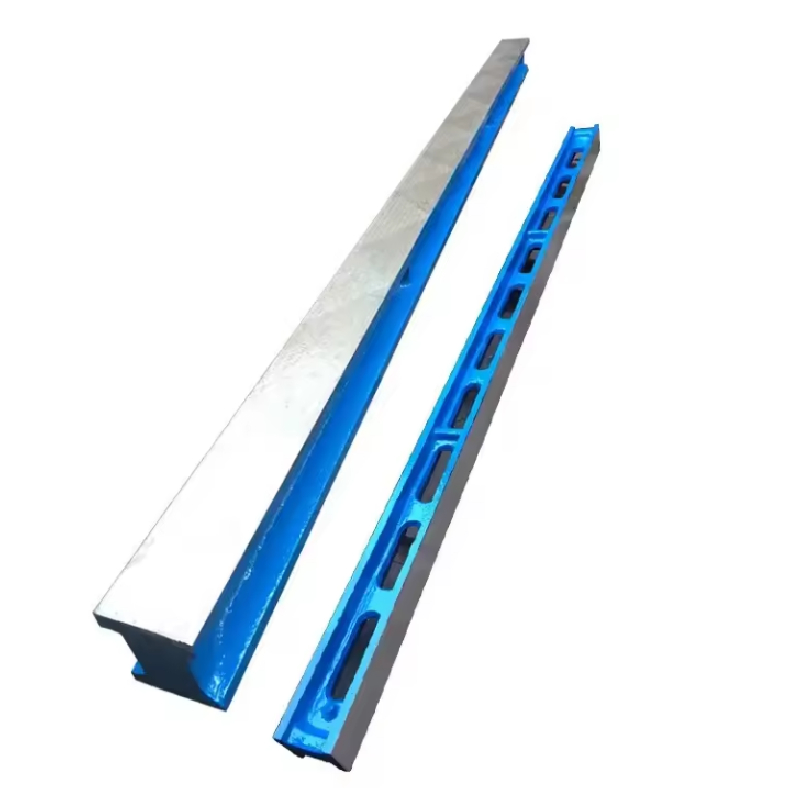
mirror sheets for gym
Understanding Master Ring Gages Precision Tools for Quality Control In the world of manufacturing, precision and accuracy are paramount. One of the essential tools used to maintain these standards is the master ring gage. This article delves into the importance, application, and calibration of master ring gages, offering insights into why they are crucial for quality control in various industries. What is a Master Ring Gage? A master ring gage is a cylindrical tool used to measure the outer dimensions of objects. It is typically made from high-grade steel or carbide, providing durability and resistance to wear. Master ring gages are designed to have a highly precise internal diameter, functioning as a reference standard for checking the dimensions of parts and components in a manufacturing process. There are generally two types of gages the go gage and the no-go gage . The go gage is used to check if a part fits within the predetermined tolerances, while the no-go gage ensures that the part does not exceed the maximum allowable size. This dual-functionality makes master ring gages essential in ensuring that parts meet specified tolerances. Applications of Master Ring Gages Master ring gages find a wide array of applications across various industries, including automotive, aerospace, and medical device manufacturing. In these industries, maintaining tight tolerances is crucial for ensuring the reliability and safety of components. For instance, in the automotive industry, even a slight deviation in the dimensions of engine parts can lead to failures or performance issues. Master ring gages help manufacturers ensure that every part produced meets the required specifications. master ring gage Furthermore, these gages are instrumental in production environments where quick inspections are necessary. By using master ring gages, quality control personnel can quickly verify the size of parts, ensuring a streamlined production process and reducing the risk of defective components reaching the market. Calibration and Maintenance To maintain their accuracy, master ring gages must be calibrated regularly. Calibration involves comparing the gage against a known standard and adjusting it as needed. This process is typically performed by specialized laboratories equipped with advanced measurement technologies. It is recommended that gages be calibrated at regular intervals, depending on their usage frequency and the critical nature of the measurements being taken. In addition to calibration, proper maintenance is key to extending the lifespan of master ring gages. This includes routine cleaning to remove contaminants, careful handling to avoid damage, and proper storage to protect them from environmental factors that may impact their accuracy. Conclusion Master ring gages are indispensable tools in the manufacturing industry, ensuring that products meet stringent quality standards. Their precision and reliability facilitate efficient production processes, ultimately contributing to the success of manufacturers who prioritize quality control. Understanding the importance, applications, and maintenance of master ring gages is essential for professionals in the field. As technology advances, the role of these gages will continue to evolve, but their fundamental purpose—ensuring precision in manufacturing—will remain unchanged. Investing in high-quality master ring gages and adhering to calibration and maintenance protocols is vital for any organization committed to excellence in production.
about
mirror sheets for gym
Understanding Special Thread Gages Precision in Manufacturing In the realm of precision engineering and manufacturing, Special Thread Gages play a pivotal role in ensuring the quality and consistency of threaded components. These specialized tools are not just ordinary measuring devices; they are the embodiment of accuracy and reliability in the intricate world of threading. Thread gages, in general, are used to measure and inspect the pitch, diameter, and form of threads on parts such as bolts, screws, or nuts. They come in various types, including thread ring gages, thread plug gages, and special thread gages. The latter, our focus, are customized to cater to specific requirements that standard gages may not address. Special thread gages are designed for applications where standard measurements do not suffice. They can be tailored to meet unique thread profiles, pitch diameters, or thread forms, making them indispensable for industries like aerospace, automotive, and medical devices where precision is paramount. These gages are manufactured with extreme precision, often using high-grade materials like carbide or stainless steel to withstand harsh conditions and maintain their accuracy over time. The process of creating a special thread gage begins with a detailed specification from the client. This includes parameters such as thread size, pitch, tolerance, and intended use. Engineers then employ advanced CAD/CAM systems to design the gage, followed by CNC machines to cut and shape it to exact specifications Engineers then employ advanced CAD/CAM systems to design the gage, followed by CNC machines to cut and shape it to exact specifications Engineers then employ advanced CAD/CAM systems to design the gage, followed by CNC machines to cut and shape it to exact specifications Engineers then employ advanced CAD/CAM systems to design the gage, followed by CNC machines to cut and shape it to exact specifications special thread gages . Each gage is rigorously inspected and tested to ensure it meets or exceeds industry standards, such as ANSI, ASME, or ISO. One of the key advantages of special thread gages is their ability to enhance quality control. By providing precise measurements for non-standard threads, they minimize the risk of mismatches or failures in assembly. They also improve efficiency by reducing the need for multiple gages or manual inspections, streamlining the production process. However, it's important to note that while special thread gages offer unparalleled customization, they also require careful handling and regular calibration to maintain their accuracy. Misuse or neglect can lead to false readings, potentially causing significant issues in production. In conclusion, special thread gages are more than just tools; they are precision instruments that safeguard the integrity of threaded components in various industries. Their customization allows for tailored solutions, enhancing both quality and efficiency in manufacturing processes. As technology continues to advance, so does the sophistication of these gages, ensuring they remain a vital part of the precision engineering landscape.
-

High quality industrial productsagement

High quality industrial products
View Details -

Meet the diverse needs of customers

Meet the diverse needs of customers
View Details -

Strict quality control

Strict quality control
View Details -

Top raw materials

Top raw materials
View Details -

Trusted supplier

Trusted supplier
View Details
Our application
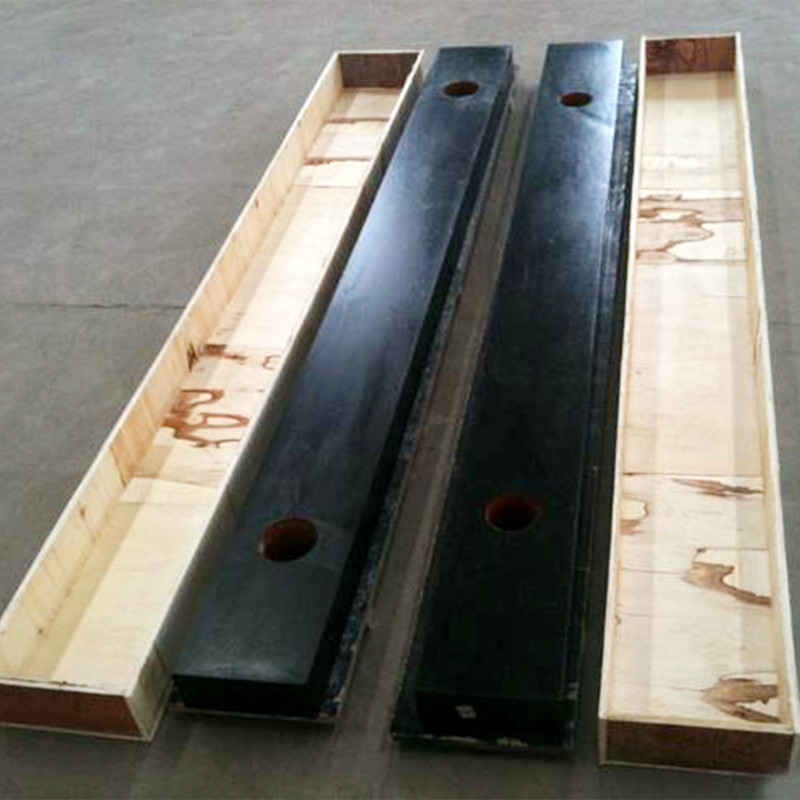


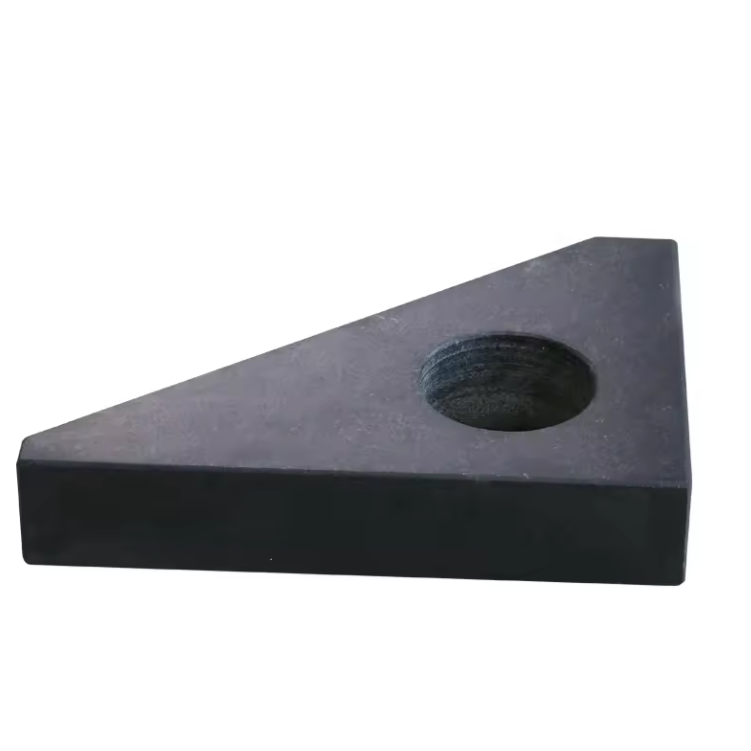
news and information
Válvula de puerta de 50 mm
Válvula de compuerta de 50 mm una solución eficaz para el control de fluidos La válvula de compuerta

water valve
Understanding Water Valves A Key Component in Fluid Control Systems Water valves are crucial compone
Valvola di ritegno tipo disco
Controllo dei Valvole a Terra con Disc Type Il controllo dei valvole a disco è un aspetto fondamenta
 English